Key Takeaways
Immediate accessibility signals commodity, not craftsmanship. When a digital storefront attempts to rush visitors into a transaction, it subtly erodes high-end authority.
Intentional digital friction elevates perceived value. Requiring prospects to pause, reflect, and apply creates an environment of quiet prestige and exclusivity.
Mass-market tactics alienate luxury clientele. Aggressive pop-ups, instant discounts, and artificial urgency signals low positioning and transactional intent.
Strategic inquiry portals qualify high-intent buyers. Curated onboarding forms filter out bargain hunters while deepening trust with clients who value custom expertise.
Restraint builds long-term brand equity. Pacing the client journey gives your offer breathing room, allowing your core brand narrative to command respect.
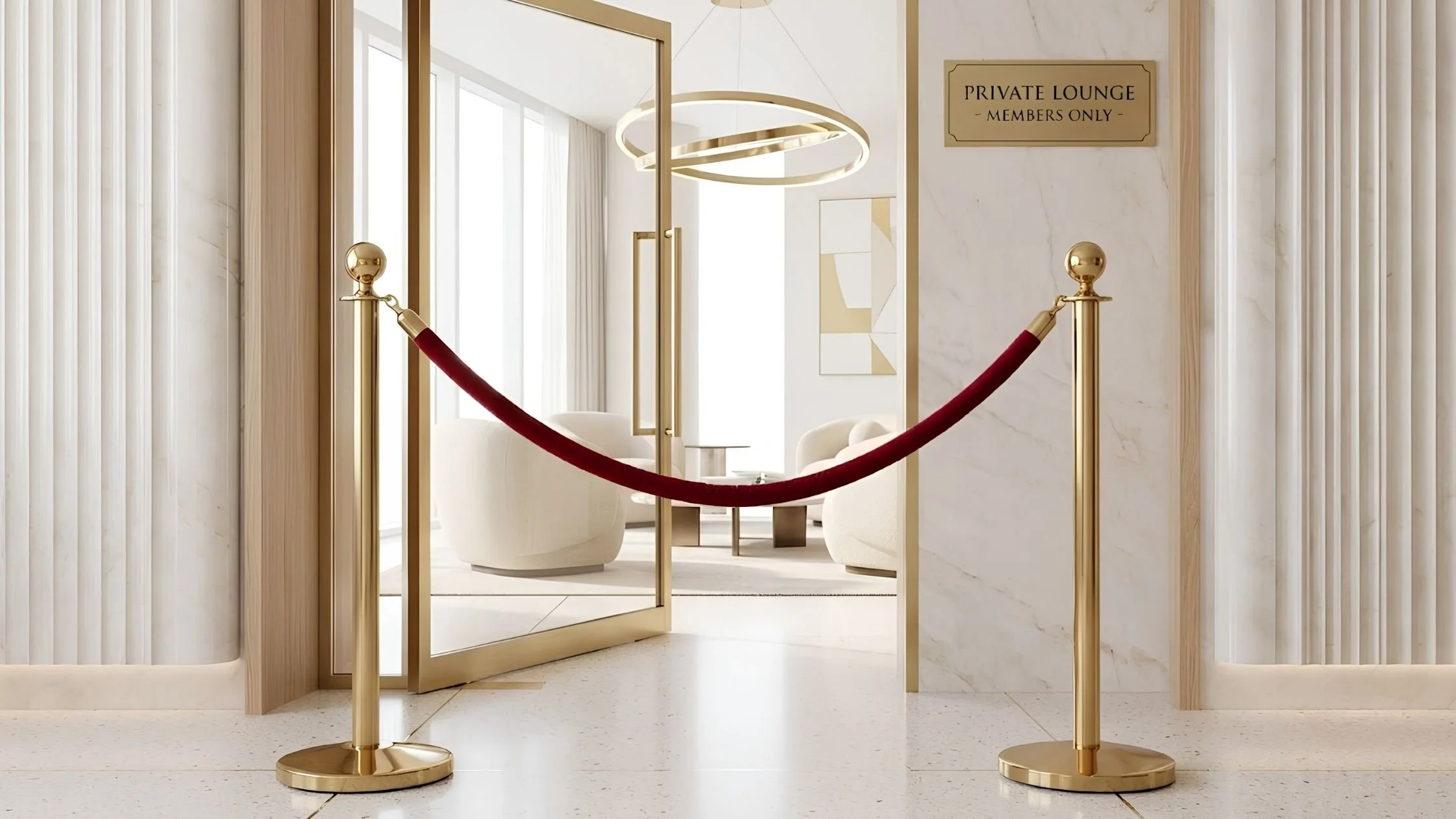
Imagine stepping toward the entrance of a renowned, private atelier. There are no flashing sale signs in the window, no aggressive salespeople standing at the threshold urging you to make a snap purchase, and no instant coupons pushed into your hand.
Instead, there is a heavy timber door, an elegant bell, and a quiet, deliberate sense of invitation.
Before you even step inside, the physical architecture communicates a clear message: What happens behind this door is crafted with intent, patience, and uncompromised standards.
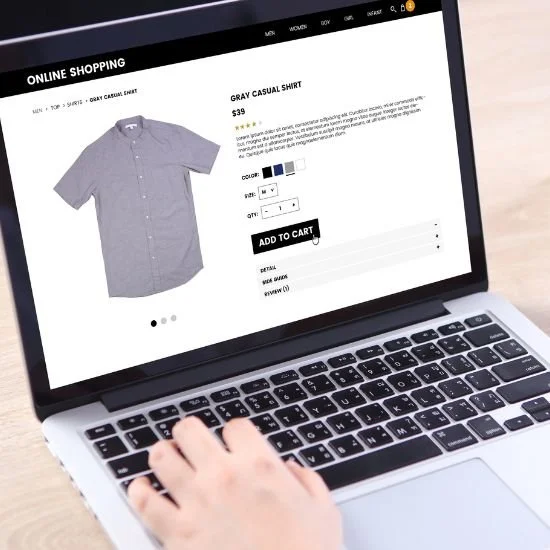
Now, contrast that with the modern digital landscape. Thousands of lifestyle and consumer brands configure their websites to act like fast-fashion clearance racks. The moment a visitor lands on the page, they are bombarded with flashing exit-intent pop-ups, instant 10% discount codes, and loud countdown timers urging immediate purchase.
For mass-market consumer goods, aggressive friction-free paths work. But for luxury brands, premium service providers, and high-end lifestyle offers, immediate accessibility quietly destroys desire.
To build a brand that commands true market authority, you must stop treating digital friction as an obstacle to eliminate—and start engineering it as a strategic framework to elevate your value.
The Flaw of the "Frictionless" Mass-Market Mindset
In digital marketing, conventional wisdom preaches one absolute rule: remove all friction. Marketers tell you to reduce form fields, automate instant bookings, and make buying as effortless as a single click.
While this approach works for commodity products, applying it to a premium offering creates immediate positioning friction:
Erosion of Perceived Value: When a service or product is instantly accessible to anyone at any time with zero threshold, the brain subconsciously categorizes it as common and easily replaceable.
Client Mismatch & Exhaustion: Open, unvetted access invites price-sensitive, low-intent prospects who demand maximum energy for minimal investment.
Loss of Brand Dignity: Loud urgency tactics signal desperation rather than authority, making high-end clients question the true quality of your offering.
Luxury is not defined by how easily someone can acquire what you offer; it is defined by the care, mastery, and intent required to access it.
Engineering Strategic Digital Friction
Strategic friction is not about making your website difficult, confusing, or frustrating to use. It is about implementing deliberate, elegant pauses that invite reflection and establish mutual respect.
Here is how high-end platforms use strategic pacing to transform passive interest into quiet desire:
1. Application-Only Onboarding Portals
Rather than placing an open calendar booking link directly on your homepage, guide prospects into a thoughtful, curated application process. Asking prospective clients key questions about their vision, timelines, and goals forces them to articulate their intent. This simple step shifts the dynamic: they are no longer just evaluating you; they are demonstrating why they are a fit for your expertise.
2. Curated Waitlists and Cohort Launch Windows
When high-ticket services or bespoke products are permanently available, there is no reason for a prospect to act with intention. Establishing clear cohort booking windows—such as reserving design slots months in advance—builds organic prestige. It proves that your capacity is governed by quality and focus, not endless volume.
3. Substantive Communication over Instant Gratification
Instead of offering an immediate, automated transaction, invite prospective clients into a deliberate exchange. A tailored response, an introductory intake questionnaire, or a private discovery proposal allows your brand to demonstrate deep listening and strategic authority long before any agreement is signed.
The Shift from Transactional Brokering to Partnership
When your digital storefront honors its own value through strategic restraint, the visitor’s experience shifts fundamentally.
The client is no longer rushing through a transactional checkout funnel. They are entering a thoughtful narrative environment where every interaction reinforces trust, quality, and mutual investment.
By replacing aggressive conversion hacks with intentional friction, your website stops acting as a chaotic digital storefront and becomes an exclusivity engine—filtering for high-intent clients who recognize and willingly pay for exceptional craftsmanship.
FAQs
Won't adding friction or applications scare away potential clients?
It will scare away low-intent, price-driven buyers—which is precisely the goal. High-intent, premium clients respect structure, clarity, and boundaries. When you establish a thoughtful qualification process, high-end buyers view it as a mark of professionalism and exclusivity rather than an inconvenience.
How do I know if my website has too much friction versus strategic friction?
Bad friction is caused by poor user experience (UX): confusing navigation, broken mobile layouts, hidden contact info, or slow loading pages. Strategic friction is intentional, clear, and narrative-driven: clear positioning statements followed by thoughtful application forms or curated intake inquiries that guide the client smoothly.
Can product-based lifestyle brands use intentional friction, or is this only for service businesses?
Product-based luxury brands use strategic friction constantly. Examples include limited client drops, waitlist access for signature collections, bespoke personalization inquiries, or requiring an email invitation to view private showroom catalogues.

Final thoughts
Your brand's digital presence is an invitation into your world. How you frame that invitation dictates the type of clients who accept it.
When you abandon mass-market urgency and embrace the quiet power of intentional friction, your positioning transforms. You create an elevated digital environment that honors your craft, protects your time, and attracts clients who value depth over immediate convenience.
What to do next
Take an honest look at your current client onboarding experience today. Are your digital touchpoints establishing quiet authority, or are they subtly cheapening your offer with unnecessary urgency?
→ Download our Free Web Design Checklist to audit your brand's digital touchpoints, evaluate your user experience, and ensure your storefront communicates true premium value.
If you want an expert partner to help you refine your positioning, elevate your core messaging, and engineer a strategy-first digital presence, we have built the ultimate tool.
→ Access The Brand Clarity Coach AI to clarify your messaging, define your unique market authority, and elevate your platform parameters 24/7.
This article was written with the help of The Brand Clarity Coach — an AI assistant created by Teresanne O’Reilly to help business owners and marketers define their brand strategy, sharpen their message, and create content that connects with their ideal customers.
Use The Brand Clarity Coach in your own business. Get instant lifetime access here for just €89.
You Might Also Like