Why Pre-Made Web Templates Ruin High-Ticket Inquiries
Key Takeaways
Templates level the playing field down, not up. Dropping bespoke photography into a mass-market theme reduces your brand to the visual level of entry-level competitors.
Spatial pacing signals true market authority. Premium positioning relies on generous white space, custom editorial layout, and restrained typography—elements generic themes actively struggle to deliver.
Bespoke conversion architecture guides high-ticket decisions. High-value clients require an intentional, narrative-led journey rather than predictable, crowded grid blocks.
Design choices justify premium price points. When your website mirrors cheap off-the-shelf software, prospective clients naturally question your fees.
Your platform is your primary asset. Custom digital architecture ensures your public storefront matches the caliber of your internal expertise.
Many luxury and lifestyle brands invest significantly in their foundational assets: hiring top-tier brand photographers, refining their core messaging, and polishing their offerings.
Yet, when it comes time to build their digital home, they make a fatal compromise—they drop those high-end assets into a pre-made, mass-market template.
The result is a phenomenon known as the commodity aesthetic.
No matter how elevated your photography or how refined your copy may be, squeezing your business into a generic theme instantly flattens your visual impact. To a prospective high-ticket client scanning options, your brand looks functionally identical to lower-tier competitors using the exact same underlying layout.
If your web platform looks like an off-the-shelf commodity, prospective clients will treat your services like one, too.
The Invisible Cost of Pre-Made Templates
Mass-market templates are engineered for mass appeal. They are designed to accommodate as many business types as possible, which means they default to safe, crowded, and predictable patterns:
Overstuffed Component Blocks: Templates rely on dense grids, generic icon sets, and loud feature boxes designed to grab attention rather than direct it.
Rigid Spatial Limits: Premium positioning requires intentional visual pacing and generous white space. Off-the-shelf themes force content into cramped containers that feel cluttered.
Predictable Navigation Patterns: Standard themes push generic user flows that fail to establish strategic context or guide high-intent prospects toward high-value conversions.
When you attempt to build a luxury or strategy-first brand inside a template built for thousands of other users, you spend your time fighting the code rather than refining the client experience.
Engineering Digital Authority Through Custom Architecture
Custom web design isn't about adding unnecessary visual flair—it's about applying strategic restraint and bespoke architecture to every pixel of your platform.
Here is how strategy-first platforms break free from the commodity aesthetic:
1. Editorial Typography and Spatial Restraint
Authority is communicated through balance and proportion. By using bespoke typography pairings and generous, intentional margins, your content has space to breathe. This editorial pacing signals calm confidence and respect for your reader's attention.
2. Tailored Conversion Journeys
A generic contact page or standard form rarely serves a high-end service model. Custom platforms feature bespoke intake flows, curated qualifying steps, and structured narrative arcs that prepare prospects to invest before they ever book a call.
3. Purposeful Visual Hierarchy
Instead of bombarding visitors with competing pop-ups, sliding banners, and flashing elements, a bespoke design directs focus with absolute precision. Every element exists to guide the prospect toward a single, strategic outcome.
Aligning Your Platform with Your Price Point
Your website is often the first formal interaction a prospective client has with your enterprise. When your digital storefront reflects bespoke craftsmanship, intentional structure, and editorial restraint, it validates your pricing before you state a number.
Moving away from pre-made templates is not merely an aesthetic choice—it is a foundational business decision to protect your positioning, command authority, and turn attention into long-term enterprise growth.
FAQs
Can custom web design really affect conversion rates for high-ticket services?
Yes. High-ticket decisions are built on trust and perceived value. A bespoke website eliminates the visual friction and cheapness associated with generic templates, immediately reassuring high-value clients that they are dealing with an established market authority.
Is it possible to customize a pre-made template enough to look unique?
To a point, but you will quickly hit architectural ceilings. Heavily modifying a pre-made template often leads to slow page speed, broken mobile layouts, and fragile code. Starting with a ground-up, strategy-first build is far more effective than trying to override generic theme styles.
What is the most noticeable difference between a template and bespoke design?
Spatial pacing and structure. Pre-made themes tend to pack as many elements as possible onto the screen. Custom designs use generous white space, precise typography scale, and restrained layouts that feel calm, structured, and distinct.

Final thoughts
Your brand deserves a digital home that matches the quality of your work.
By replacing off-the-shelf templates with intentional, strategy-first web architecture, you eliminate commodity noise, honor your client's time, and establish lasting digital authority.
What to do next
Ready to evaluate whether your current web platform is elevating your brand or holding it back?
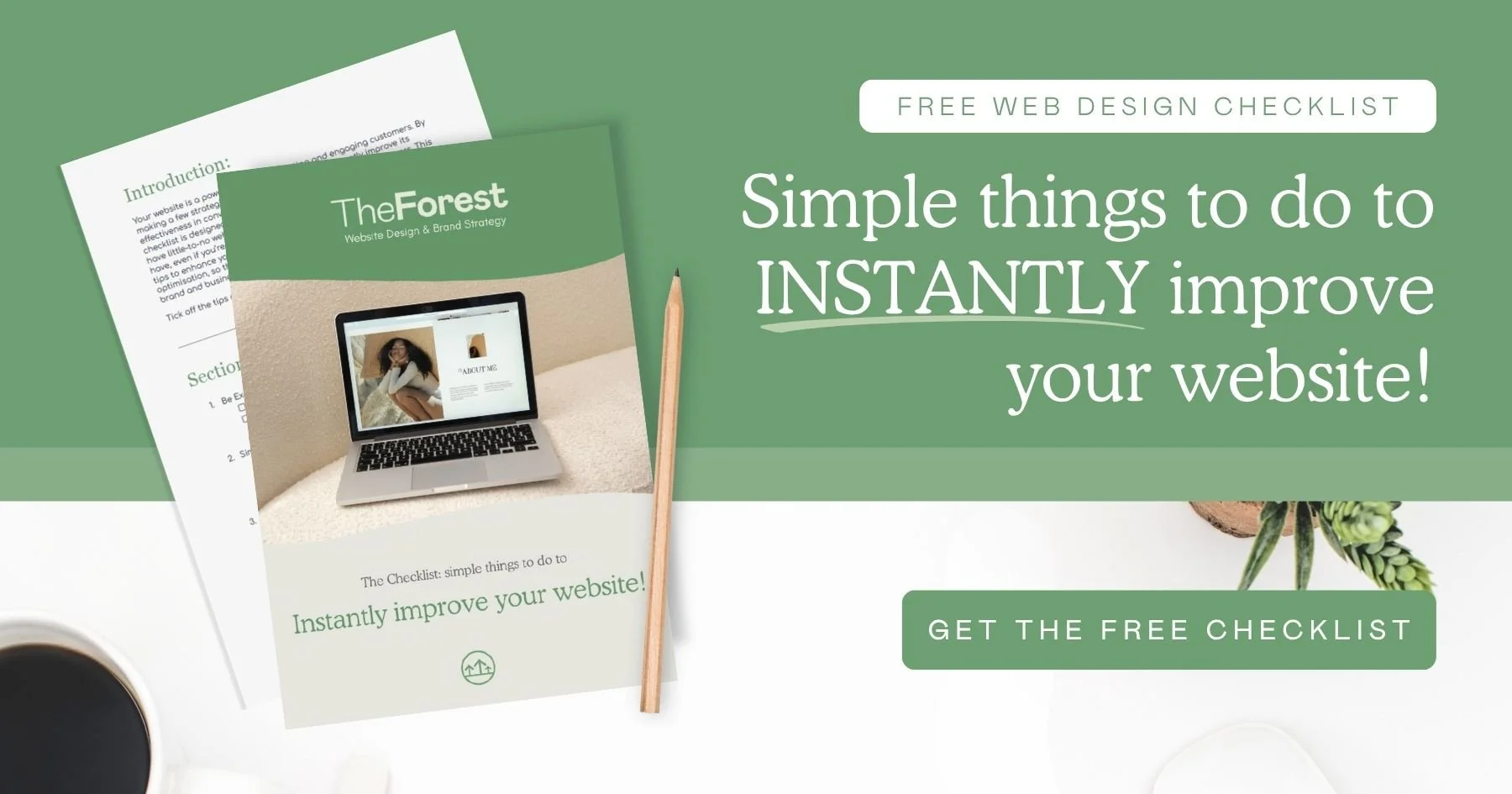
→ Download our Free Web Design Checklist to identify structural flaws, clear visual clutter, and ensure your site communicates true premium value.
If you want an expert partner to help you build a bespoke digital platform that sets you apart from the competition, we have built the ultimate tool.
→ Access The Brand Clarity Coach AI to refine your brand messaging, structure your communication strategy, and elevate your platform parameters 24/7—then get in touch with us to discuss your web design project.
This article was written with the help of The Brand Clarity Coach — an AI assistant created by Teresanne O’Reilly to help business owners and marketers define their brand strategy, sharpen their message, and create content that connects with their ideal customers.
Use The Brand Clarity Coach in your own business. Get instant lifetime access here for just €89.
You Might Also Like